- (913)-387-1104
- office@rsvpmedspa.com
- 13300 Metcalf Ave, Overland Park, KS 66213

In the United States, injuries to the eyes and eye socket are unfortunately commonplace. Eyelid laceration, tear drain injuries, bleeding within and bruising around the eye, and fractures of the bones of the eye socket can all occur. These injuries often occur from sporting activities like baseball, soccer or football. In addition, car accidents and fist fights are other common causes. Trauma to the orbit and eye area most often results in bruising followed by fractures of the orbital bone blowing out into the surrounding sinus. Since the bones of the eye socket done move like your arm or leg, they don’t all need to be fixed. Fractures causing double vision or large fractures into the sinus should typically be repaired in a timely fashion. Sometimes this is not possible but late repairs, despite being more difficult, can still be done.
Sometimes trauma is severe enough to irreparably injure the eye. Along with diseased eyes that are blind, painful and disfiguring, the removal of an eye (enucleation) is indicated when the eye cannot be salvaged. Reconstruction of the eye socket to prepare it for a prosthetic eye typically leads to a very pleasing result, in addition to the benefits of removing the blinded eye or diseased, painful eye. Finally, eye socket that have already had the eye removed may also experience problems and need regular examinations and further reconstruction.
The orbit is a small, compact and complex structure. Oculo-Facial surgeons have undertaken the extra training to deal with the nuances of treating orbital disease and injuries. When choosing a surgeon to evaluate and treat your orbital problem, look for an ophthalmic plastic & reconstructive surgeon who specializes in the eyelid, orbit, and tear drain surgery like Dr. Fu.
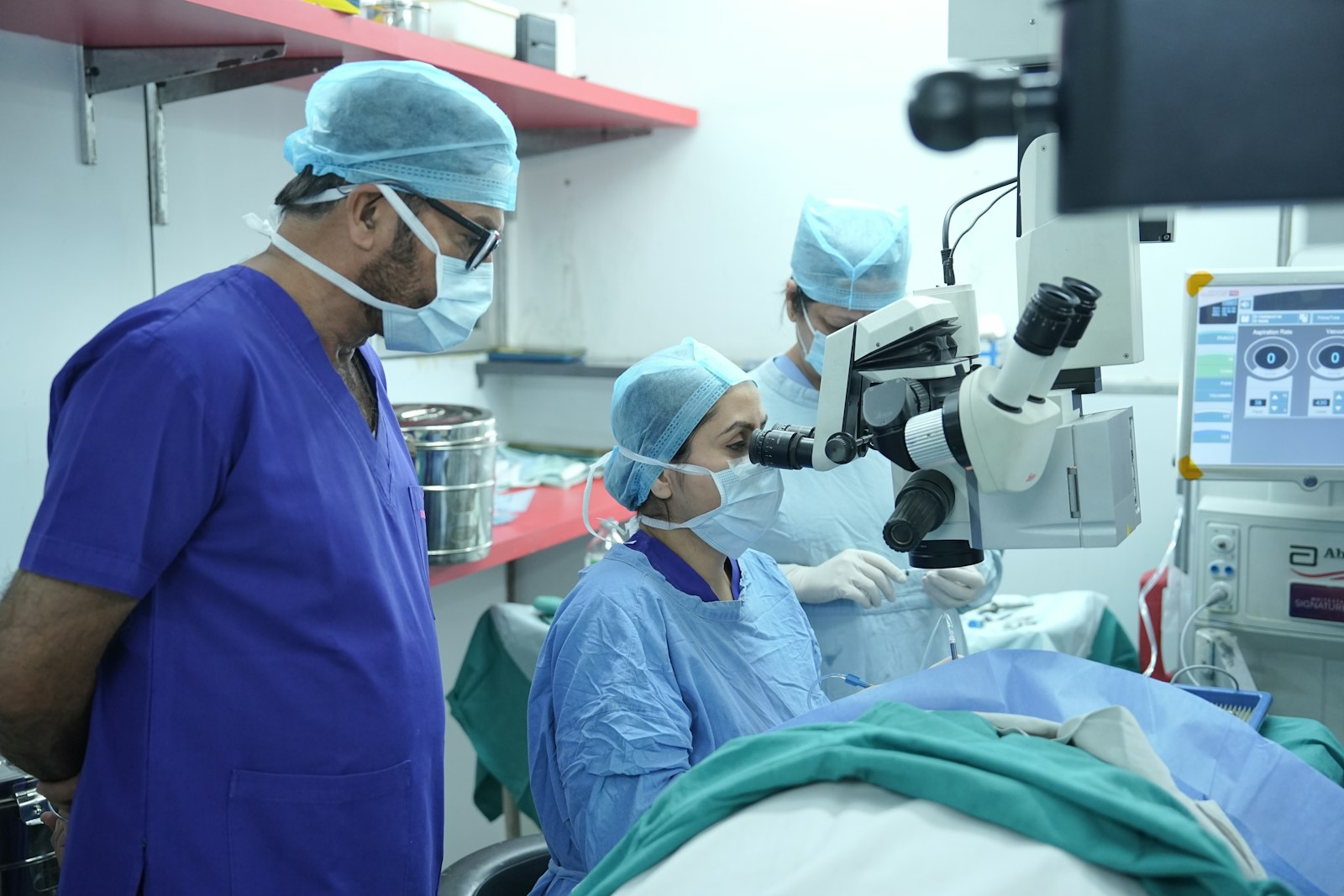
Orbital surgery is performed to treat conditions affecting the eye socket (orbit), including tumors, fractures, inflammatory diseases, or structural abnormalities. The surgery is designed to protect vision, relieve pressure on the eye, and restore the function and appearance of the orbital structures.
If performed for medical reasons (e.g., tumor removal, trauma repair, or eye protection), insurance may cover part or all of the procedure. Cosmetic-related surgeries are typically not covered.
Orbital surgery is a specialized procedure performed to treat conditions affecting the eye socket (orbit), including tumors, fractures, thyroid eye disease, infections, and structural abnormalities. The goal is to protect vision, relieve pressure on the eye, and restore normal eye function and appearance.
You may need orbital surgery if you have:
Orbital Tumors – Benign or malignant growths that need removal.
Thyroid Eye Disease (Graves’ Disease) – Severe cases may require orbital decompression to relieve pressure.
Orbital Fractures – Trauma or accidents that cause broken bones around the eye.
Orbital Infections (Abscesses) – Severe infections that require surgical drainage.
Eye Removal (Enucleation or Evisceration) – In cases of blind, painful, or cancerous eyes, surgery may be needed to place an orbital implant.
No, the procedure is performed under general anesthesia, so you won’t feel any pain during surgery. Mild discomfort, swelling, or tightness after surgery can be managed with pain medication.
Orbital surgery can take 1 to 3 hours, depending on the complexity of the procedure.
Most patients can return to light activities within 1 to 2 weeks, but avoid strenuous activity for at least a month.
Most orbital surgeries use hidden incisions inside the eyelid or in natural creases, so visible scarring is minimal or nonexistent.
If performed for medical reasons (tumors, fractures, eye removal, or thyroid disease), insurance may cover part or all of the costs. Cosmetic-related orbital procedures are typically not covered.
Most orbital conditions are permanently corrected, but some cases, like thyroid eye disease, may require further treatment if the disease progresses.
Untreated orbital issues can lead to:
If you have orbital tumors, fractures, infections, or thyroid-related eye issues, consult an oculoplastic surgeon or orbital specialist to discuss treatment options.