For patients researching cosmetic surgery Kansas City options, the most important step is understanding what is causing the concern. Some changes are related to excess skin. Others come from eyelid muscle weakness, lower eyelid fat, brow position, skin texture, or facial volume changes.
At Cosmetic Eye Institute, Dr. Selena Fu, a board-certified ophthalmologist and fellowship-trained oculoplastic surgeon, provides focused evaluation for cosmetic and functional concerns around the eyes. This eye-focused approach helps determine whether surgery, non-surgical treatment, or a combined plan may be most appropriate.
The goal of cosmetic eye treatment is not to create a pulled or exaggerated look, but rather to restore a more rested, natural appearance while preserving eyelid function and facial balance.
What Can Cosmetic Eye Surgery Address?
Cosmetic eye surgery can address several concerns involving the upper eyelids, lower eyelids, brows, and surrounding eye area. Because each concern has a different cause, the best treatment depends on the patient’s anatomy.
Treatment may help improve:
- Loose upper eyelid skin
- Heavy or hooded eyelids
- Drooping upper lids
- Under-eye bags
- Lower eyelid puffiness
- Bulging lower eyelid fat pads
- Brow heaviness
- Fine lines or crepey skin around the eyes
- Tired-looking eyes
- Facial imbalance related to the eye area
In some patients, eyelid concerns are cosmetic. In others, excess upper eyelid skin or drooping eyelids may interfere with peripheral vision. A detailed consultation helps determine whether appearance, function, or both are involved.
Upper Blepharoplasty for Heavy Eyelids
Upper blepharoplasty is designed to improve excess skin and heaviness of the upper eyelids. Patients may consider this procedure when the upper lids look hooded, tired, or less open.
Upper blepharoplasty may help improve:
- Extra skin folding over the eyelid crease
- Heavy upper eyelids
- Difficulty applying eye makeup
- A tired or aged appearance
- Peripheral vision obstruction in appropriate cases
During surgery, carefully measured excess skin is removed. When appropriate, underlying tissue may also be adjusted to create a more open and refreshed eyelid contour.
Lower Blepharoplasty for Under-Eye Bags
Lower blepharoplasty focuses on the area beneath the eyes. It may be appropriate for patients with puffiness, under-eye bags, or lower eyelid contour changes that do not improve with skincare or rest.
Depending on the patient’s anatomy, lower blepharoplasty may involve removing or repositioning fat, tightening loose skin, or improving the transition between the lower eyelid and cheek.
When lower eyelid fat is the main concern, the incision may be placed inside the lower eyelid. If loose skin also needs correction, an incision may be placed just below the lash line. The goal is to create a smoother lower eyelid contour while avoiding an overcorrected or hollow appearance.
Ptosis Surgery for Drooping Upper Lids
Not every droopy eyelid is caused by excess skin. Some patients have ptosis, a condition where the eyelid itself sits too low because the eyelid-lifting muscle has weakened or stretched.
Ptosis surgery may be considered when:
- One eyelid sits lower than the other
- Both upper eyelids sit low over the eyes
- The eyes look sleepy even when the patient feels rested
- The patient raises the eyebrows to see better
- A low eyelid position affects vision
Ptosis repair is different from blepharoplasty. Blepharoplasty treats extra skin, while ptosis surgery corrects the eyelid-lifting mechanism. Some patients need both procedures for the most complete correction.
Brow Procedures and Outer Eyelid Support
In some patients, brow position contributes to upper eyelid heaviness. When the brow sits low, it can push skin downward and create the appearance of hooded eyelids. A brow evaluation helps determine whether eyelid surgery alone is enough or whether brow support should also be considered.
Canthoplasty or canthopexy may also be discussed for selected patients who need support or reshaping of the outer corner of the eyelids. These procedures are not needed for everyone, but they may be appropriate when eyelid laxity, shape, or support affects the surgical plan.
Non-Surgical Options for Cosmetic Eye Concerns
Not every patient needs surgery. Some cosmetic eye concerns are related to skin texture, pigmentation, fine lines, early volume loss, or mild laxity. In these cases, non-surgical treatments may be considered.
Options may include:
- Botox or other neuromodulators for expression lines
- Dermal fillers for selected volume concerns
- Laser resurfacing for fine lines and crepey skin
- IPL or laser treatments for pigmentation and sun damage
- Chemical peels for skin brightness and texture
- Medical-grade skincare for maintenance
Non-surgical treatments can sometimes be used alone or combined with surgery to support a more complete eye-area rejuvenation plan.
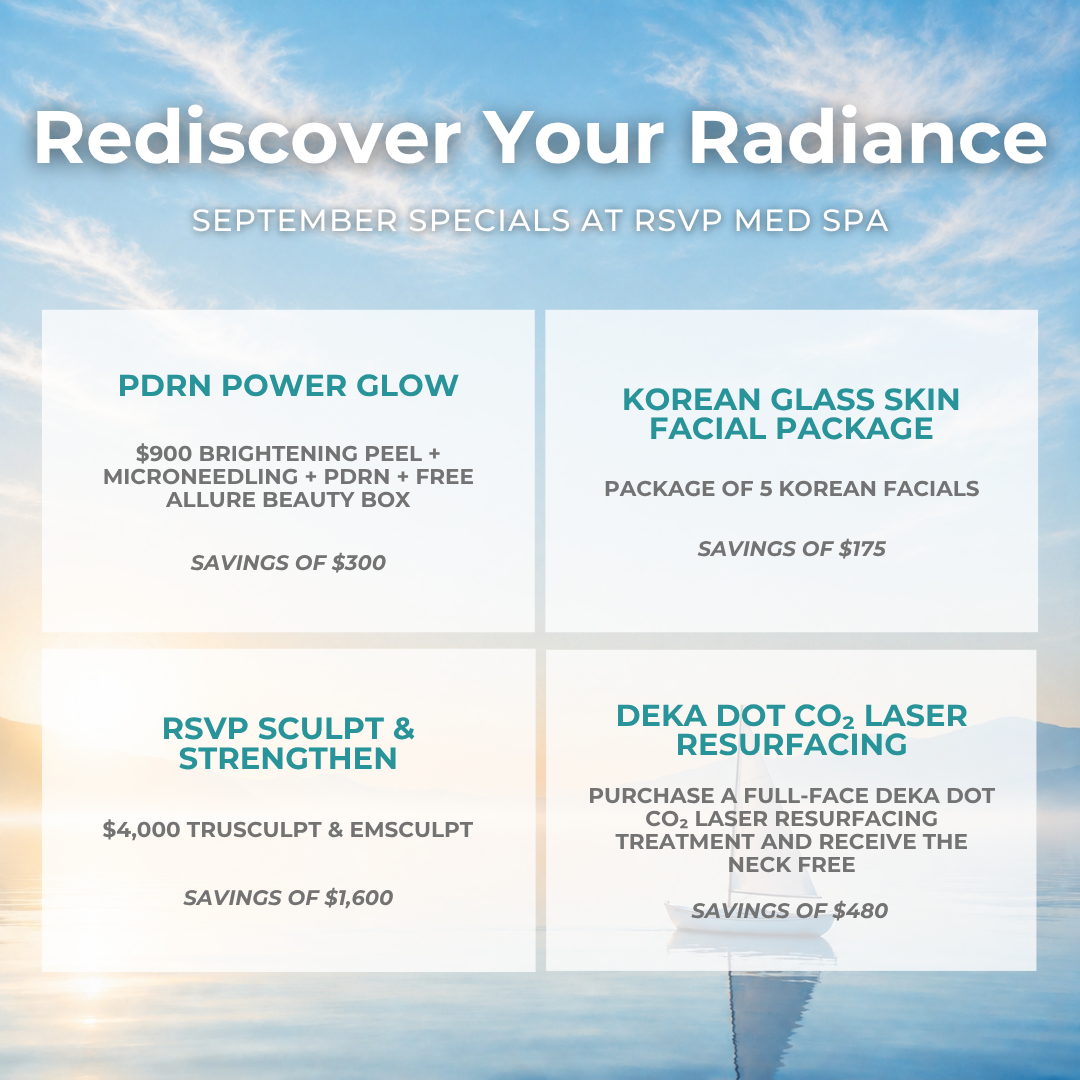
Cosmetic Eye Institute and RSVP Med Spa share the same Overland Park location and are both led by Dr. Selena Fu. This allows patients to receive physician-directed guidance on surgical eyelid procedures as well as complementary non-surgical aesthetic treatments when appropriate.
Why Specialist Training Matters for Cosmetic Eye Surgery
The eyelids are delicate functional structures. They protect the eyes, support blinking, distribute tears, and help maintain eye comfort. Because of this, cosmetic treatment around the eyes requires more than general aesthetic judgment.
An oculoplastic surgeon has specialized training in surgery of the eyelids, orbit, tear drainage system, and surrounding facial structures. Dr. Selena Fu’s background as a board-certified ophthalmologist and fellowship-trained oculoplastic surgeon allows Cosmetic Eye Institute to evaluate both appearance and eye function during treatment planning. This is especially important when patients have drooping eyelids, under-eye bags, dry eye symptoms, eyelid asymmetry, prior eye surgery, or concerns about maintaining a natural look.
What Happens During a Cosmetic Eye Consultation?
A consultation is designed to identify the cause of the concern before recommending treatment. Patients do not need to know which procedure they need before coming in.
During the visit, Dr. Fu may evaluate:
- Upper eyelid skin excess
- Lower eyelid bags or puffiness
- Eyelid position
- Eyelid muscle function
- Brow position
- Eyelid support
- Facial symmetry
- Skin quality
- Eye comfort and dryness symptoms
- Vision concerns
- Medical history
- Desired level of change
Patients can also ask about incision placement, anesthesia options, recovery time, risks, expected results, and whether surgical or non-surgical treatment is more appropriate. A good treatment plan should clearly explain the reason for each recommendation.
What Results Can Patients Expect?
Cosmetic eye treatment is highly individualized. Some patients want subtle refinement and a more rested appearance. Others may want a more noticeable change, such as eyes that appear larger, brighter, more open, or subtly different in shape.
When the goal is refinement rather than transformation, results should blend naturally with each patient’s existing facial features. When the goal is a more noticeable change, the surgical plan should still support facial harmony, eyelid comfort, and appropriate eyelid function. The best results come from matching the treatment to the patient’s anatomy, not simply choosing a procedure by name.
Schedule a Cosmetic Eye Surgery Consultation in the Kansas City Area
When researching cosmetic surgery Kansas City options, patients should look beyond broad promises and ask how the recommended treatment relates to their eyelid anatomy, eye comfort, and daily concerns.
Cosmetic Eye Institute serves patients from Overland Park, Leawood, Kansas City, Olathe, Prairie Village, Shawnee, Lenexa, Mission Hills and surrounding communities who are considering cosmetic eye surgery, blepharoplasty, ptosis repair, under-eye bag treatment, or non-surgical eye-area rejuvenation.
Schedule a consultation with Dr. Selena Fu at Cosmetic Eye Institute today to learn which cosmetic eye treatment may be right for your anatomy, goals, and desired level of change.
Frequently Asked Questions
-
What is cosmetic eye surgery?
Cosmetic eye surgery refers to procedures that improve the appearance of the eyelids and surrounding eye area. This may include upper blepharoplasty, lower blepharoplasty, ptosis repair, Asian eyelid surgery, brow procedures, or other eyelid-focused treatments.
-
What concerns can cosmetic eye surgery treat?
Cosmetic eye surgery may treat loose upper eyelid skin, drooping lids, under-eye bags, puffiness, eyelid asymmetry, brow heaviness, and tired-looking eyes.
-
Can upper and lower eyelid surgery be performed together?
Yes. Upper and lower eyelid surgery may be performed together when both areas contribute to a tired or aged appearance. The decision depends on anatomy, goals, eye health, and recovery considerations.
-
Will cosmetic eye surgery change the shape of my eyes?
The goal is often to refresh the eye area while preserving natural facial identity. For patients who want a more noticeable change, surgical planning may focus on making the eyes appear more open or subtly different in shape while maintaining facial harmony and eyelid function.
-
Is every patient with tired-looking eyes a candidate for surgery?
No. Tired-looking eyes can result from excess skin, ptosis, under-eye bags, pigmentation, volume loss, fine lines, or brow position. A consultation helps determine whether surgery, non-surgical treatment, or no treatment is most appropriate.
-
What is the difference between blepharoplasty and ptosis surgery?
Blepharoplasty removes excess eyelid skin or adjusts eyelid tissue. Ptosis surgery corrects a low eyelid position caused by weakness or stretching of the eyelid-lifting muscle.
-
Can cosmetic eye surgery improve vision?
Yes, in selected cases. If excess upper eyelid skin or a low eyelid position blocks the visual field, eyelid surgery may improve peripheral or upper vision.
-
Will eyelid surgery leave visible scars?
Incisions are usually placed in natural eyelid creases, beneath the lower lashes, or inside the lower eyelid. Scars generally become less noticeable as healing progresses.
-
How long does recovery take after eyelid surgery?
Many patients return to routine daily activities within 1 to 2 weeks, although swelling, bruising, and final refinement continue over several months.
-
Why choose an oculoplastic surgeon for cosmetic eye surgery?
An oculoplastic surgeon has specialized training in eyelid and eye-adjacent surgery. This matters because the eyelids affect appearance, blinking, eye protection, tear film, and comfort.
-
Does Cosmetic Eye Institute serve Kansas City patients?
Yes. Cosmetic Eye Institute serves patients from Kansas City, Overland Park, Leawood, Olathe, Prairie Village, Shawnee, Lenexa, Mission Hills, Parkville and surrounding communities.
-
How do I schedule a consultation?
Contact Cosmetic Eye Institute to schedule a personalized cosmetic eye consultation with Dr. Selena Fu and learn which surgical or non-surgical options may be appropriate for your concerns.
Ready to Refresh the Eye Area?
If loose eyelid skin, drooping lids, under-eye bags, or tired-looking eyes are affecting your confidence, a focused eyelid evaluation can help you understand the cause and the right treatment options.
Call Cosmetic Eye Institute today at 913-387-1104 or request a consultation online to schedule your personalized cosmetic eye consultation with Dr. Selena Fu.