The eyes can communicate energy, confidence, and expression before a single word is spoken. When the upper eyelids begin to droop, the entire eye area may appear heavier, more tired, or less open. For patients researching eye surgery for droopy eyelids, the most important first step is identifying the cause. Drooping may come from excess upper eyelid skin, true ptosis, brow descent, or a combination of factors. Each concern requires a different treatment plan.
At Cosmetic Eye Institute in Overland Park, Dr. Selena Fu, a board-certified ophthalmologist and fellowship-trained oculoplastic surgeon, evaluates both the cosmetic and functional aspects of the eyelids. Her eye-focused approach helps patients understand whether upper blepharoplasty, ptosis repair, brow evaluation, or another treatment may be appropriate.
Why Eyelids Begin to Look Droopy
The upper eyelid is a small facial feature, but changes in this area can significantly affect expression. With age, skin gradually loses elasticity, tissues shift, and excess skin may begin to collect around the upper eyelids.
Droopy-looking eyelids may be caused by:
- Excess upper eyelid skin
- Fat or tissue heaviness
- Weakness or stretching of the eyelid-lifting muscle
- Brow descent
- Eyelid asymmetry
- Natural aging
- Genetics
- Previous eyelid changes or surgery
In some patients, the concern is mainly extra skin. In others, the eyelid margin itself sits too low because of ptosis. This distinction matters because the correct procedure depends on the true cause.
Upper Blepharoplasty vs. Ptosis Repair
Upper blepharoplasty is designed to remove excess upper eyelid skin and, when appropriate, excess tissue that contributes to heaviness. It may help the eyes look more open, rested, and defined.
Ptosis repair addresses a different issue. Ptosis occurs when the upper eyelid margin sits lower than normal because the eyelid-lifting muscle or tendon is weak, stretched, or not functioning properly. Ptosis repair focuses on improving eyelid elevation rather than simply removing extra skin.
Some patients need upper blepharoplasty. Some need ptosis repair. Others may benefit from a combined approach when both excess skin and true eyelid drooping are present.
Can Droopy Eyelids Affect Vision?
Droopy eyelids can be more than a cosmetic concern. In some patients, excess upper eyelid skin or a low eyelid position can interfere with the upper or peripheral visual field.
Patients may notice:
- Heaviness over the eyes
- Difficulty keeping the eyes open
- Brow lifting to compensate
- Forehead strain or forehead lines
- Tired eyes later in the day
- Reduced peripheral vision
- Trouble applying eye makeup because of extra skin
A detailed eyelid evaluation can determine whether the concern is cosmetic, functional, or both. When vision is affected, additional testing may be recommended.
Why Brow Position Also Matters
The appearance of droopy eyelids does not always come from the eyelids alone. Brow position can influence how much tissue appears to rest over the upper eyes. When the brows descend, they may create heaviness, hooding, or a tired expression.
In some cases, treating only the eyelid may not fully address the concern if brow descent is a major contributor. A brow evaluation can help determine whether upper blepharoplasty, ptosis repair, brow lift, or a combination approach may be most appropriate. This is why a complete eye-area evaluation is important before deciding on surgery.
How Under Eye Concerns Can Affect the Overall Eye Area
Upper eyelid drooping is different from lower eyelid aging, but both can contribute to a tired appearance. Some patients who ask about droopy eyelids are also bothered by under-eye bags, puffiness, shadows, or loose lower eyelid skin.
For patients researching under eye surgery in Overland Park, KS, lower blepharoplasty may be considered when the main concern is beneath the eyes. Lower eyelid surgery may address under-eye bags, bulging fat pads, puffiness, loose skin, and lower eyelid contour changes. Evaluating the upper eyelids, lower eyelids, and brows together can help determine which areas are actually creating the tired or heavy appearance.
Why Precision Matters Around the Eyes
Eyelid anatomy is delicate, highly visible, and functionally important. The eyelids protect the eyes, support blinking, distribute tears, and contribute to eye comfort. Even subtle changes in eyelid height, crease position, tissue volume, or brow position can affect facial expression.
An oculoplastic surgeon has specialized training in surgery of the eyelids, orbit, tear drainage system, and surrounding facial structures. Dr. Fu’s background as a board-certified ophthalmologist and fellowship-trained oculoplastic surgeon allows Cosmetic Eye Institute to evaluate eyelid concerns with attention to both appearance and eye function.
Treatment planning may include assessment of eyelid position, eyelid muscle function, excess skin, brow position, lower eyelid support, dry eye symptoms, facial balance, and patient goals.
Creating a More Refreshed Eye Area
The goal of eyelid surgery is not to create an overdone or artificial appearance. Modern eyelid rejuvenation should help the eyes look more rested, open, and balanced while preserving natural expression and facial identity.
For some patients, this may mean upper blepharoplasty to reduce heaviness. For others, it may mean ptosis repair to improve eyelid elevation. Some patients may need lower blepharoplasty, brow evaluation, or non-surgical treatments to address surrounding concerns. A personalized consultation helps match the treatment plan to the patient’s anatomy instead of assuming every tired-looking eye needs the same procedure.
Are Non-Surgical Options Available?
Not every concern around the eyes requires surgery. Non-surgical treatments may help when the main issue involves skin texture, fine lines, pigmentation, mild laxity, or early volume changes. Options may include laser resurfacing, RF microneedling, neurotoxin injections, dermal fillers, IPL, chemical peels, hydration treatments, and medical-grade skincare.
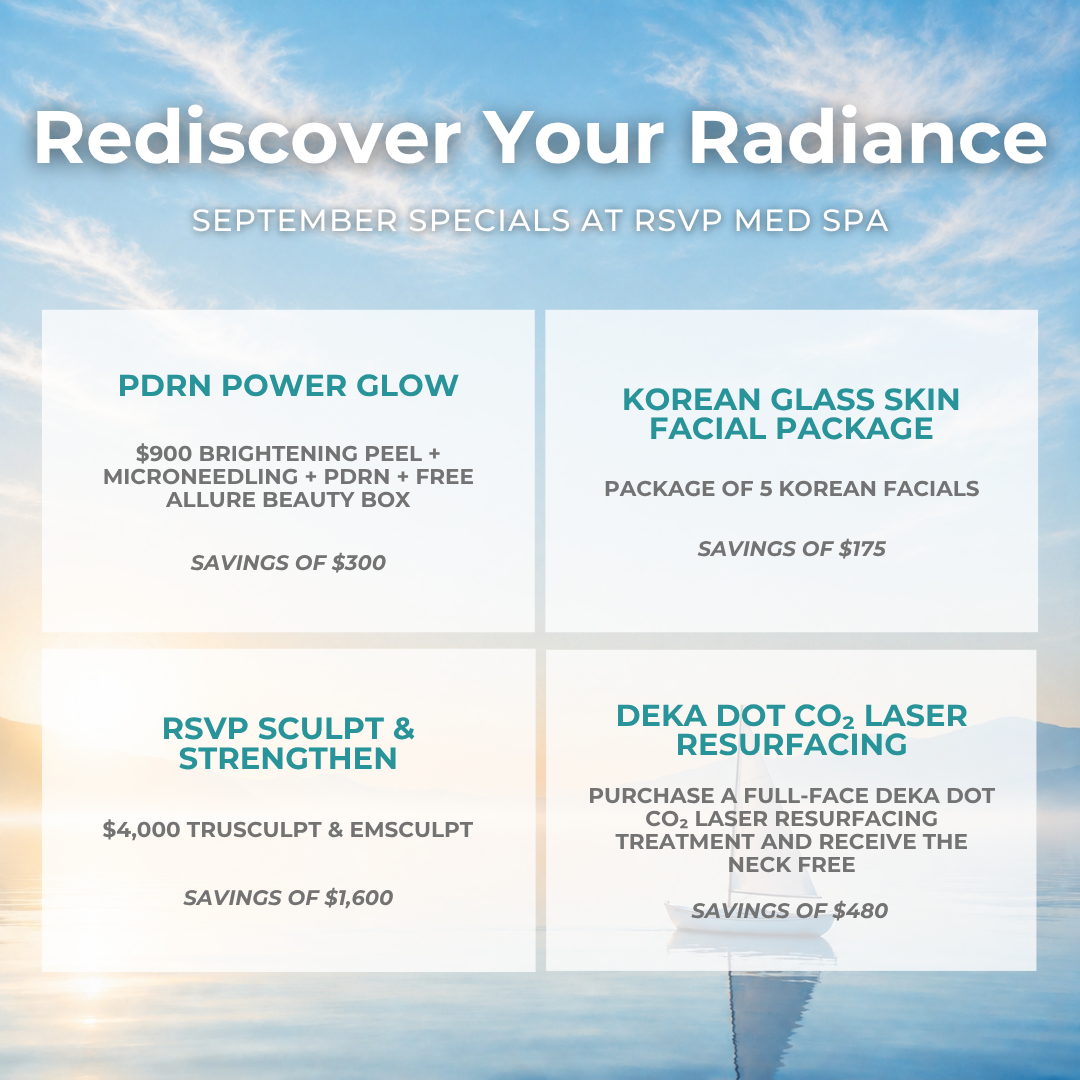
Cosmetic Eye Institute and RSVP Med Spa share the same Overland Park location and are both led by Dr. Selena Fu. This allows patients to receive physician-directed guidance on surgical eyelid procedures as well as complementary cosmetic procedures and non-surgical aesthetic treatments when appropriate.
Schedule a Droopy Eyelid Consultation in Overland Park
Visible changes around the eyes deserve a treatment plan based on anatomy rather than assumptions. A complete consultation can help determine whether drooping is caused by excess skin, ptosis, brow position, lower eyelid changes, or a combination of concerns.
Cosmetic Eye Institute serves patients from Overland Park, Leawood, Kansas City, Olathe, Prairie Village, Shawnee, Lenexa, Mission Hills, Parkville, and surrounding communities.
Call today at 913-387-1104 or request a consultation online to schedule your personalized droopy eyelid evaluation with Dr. Selena Fu at Cosmetic Eye Institute.
Frequently Asked Questions
- What type of surgery is commonly used for droopy upper eyelids?
Upper blepharoplasty may be used when drooping is caused by excess skin and tissue. Ptosis repair may be needed when the eyelid itself sits too low because of weakness or stretching of the eyelid-lifting muscle.
- Can droopy eyelids affect vision?
Yes. Significant upper eyelids drooping or excess skin can obstruct part of the visual field. An eyelid evaluation can determine whether the concern is cosmetic, functional, or both.
- How is ptosis repair different from upper blepharoplasty?
Ptosis repair addresses the eyelid-lifting mechanism. Upper blepharoplasty primarily removes excess skin and tissue that creates heaviness around the upper eyelid.
- Can under eye surgery help with a tired appearance?
Yes, when the tired appearance is caused by under-eye bags, puffiness, loose lower eyelid skin, or lower eyelid contour changes. Under eye surgery treats the lower eyelid area, not true upper eyelid ptosis.
- How do I know which eyelid procedure I need?
A consultation can determine whether your concern is caused by excess skin, ptosis, brow descent, under-eye bags, skin texture, or a combination of factors. The treatment should match the cause.
- Why choose Cosmetic Eye Institute for droopy eyelid surgery?
Cosmetic Eye Institute focuses on eyelid and eye-area procedures. Dr. Selena Fu is a board-certified ophthalmologist and fellowship-trained oculoplastic surgeon with specialized training in eyelid anatomy, eye function, ptosis repair, and cosmetic eyelid surgery.
Ready to Understand What Is Causing Your Droopy Eyelids?
A refreshed eye area starts with the right diagnosis and a treatment plan designed around your anatomy.
Call today at 913-387-1104 or request a consultation online to schedule your personalized eyelid evaluation with Dr. Selena Fu at Cosmetic Eye Institute.