Do under-eye bags make you look tired even after a full night of rest? When puffiness, loose skin, or shadows remain visible despite skincare, sleep, or makeup, the concern may come from structural changes beneath the skin rather than simple fatigue.
For patients exploring lower eyelid surgery in Leawood, lower blepharoplasty may help improve persistent under-eye bags, puffiness, and lower eyelid contour. The goal is to create a smoother, more refreshed appearance while preserving natural facial balance and eyelid function.
At Cosmetic Eye Institute in Overland Park, Dr. Selena Fu, a board-certified ophthalmologist and fellowship-trained oculoplastic surgeon, evaluates under-eye concerns with attention to both appearance and eye health. The practice serves patients from Leawood, Overland Park, Kansas City, Olathe, Prairie Village, Shawnee, Lenexa, Parkville and surrounding communities.
Why Under-Eye Bags Can Stay Even After Good Rest
The skin around the eyes is thin and delicate, so changes often become noticeable early. Over time, collagen loss, skin laxity, fat prominence, genetics, sun exposure, and natural aging may all affect the lower eyelid area.
Under-eye concerns may appear as:
- Puffiness beneath the eyes
- Prominent lower eyelid bags
- Loose or crepey skin
- Hollowing or shadowing
- Fine lines around the lower eyelids
- A tired or aged appearance
Temporary puffiness may improve with rest, hydration, or allergy management. Persistent under-eye bags, however, often have a structural cause. In those cases, creams and skincare may improve texture or brightness, but they usually cannot reposition fat or remove excess skin.
What Lower Eyelid Surgery Can Address
Lower eyelid surgery, also called lower blepharoplasty, focuses on the area beneath the eyes. It may reduce under-eye bags, improve puffiness, smooth loose skin, and soften the transition between the lower eyelid and cheek.
Lower blepharoplasty may be considered when patients have:
- Bulging lower eyelid fat pads
- Persistent under-eye fullness
- Loose lower eyelid skin
- Lower eyelid contour irregularity
- Shadowing caused by under-eye bags
- A tired look that does not improve with rest
The goal is not to create a tight or hollow appearance. A well-planned procedure should help the eyes look more rested while still looking natural.
How the Surgical Approach Is Chosen
Lower eyelid surgery is customized to the patient’s anatomy. The best approach depends on whether the concern involves fat, loose skin, eyelid support, skin quality, or a combination of factors. When lower eyelid fat is the main concern, an incision may be placed inside the lower eyelid. This is called a transconjunctival approach and avoids an external skin incision.
When loose lower eyelid skin also needs treatment, an incision may be placed just below the lower lash line. This allows the surgeon to address skin and underlying tissue when appropriate. In some patients, fat may be repositioned rather than simply removed. This can help create a smoother lower eyelid-to-cheek transition and reduce the risk of an overly hollow result.
When Eyelid Laser Treatment in Overland Park May Be a Better Fit
Not every under-eye concern requires surgery. Some patients are more bothered by fine lines, sun damage, uneven texture, crepey skin, pigmentation, or mild laxity. In these cases, eyelid laser treatment in Overland Park may be discussed as a non-surgical or complementary option. Laser resurfacing may help improve skin texture, fine lines, sun damage, and overall smoothness around the eyes.
Laser treatment does not replace lower blepharoplasty when the main issue is structural under-eye bags or prominent fat pads. However, it may be helpful when skin quality is the primary concern or when a patient needs additional skin refinement with surgery.
Other Non-Surgical Options for the Eye Area
Depending on the cause of the concern, other non-surgical treatments may also be considered. These may include RF microneedling, neurotoxin injections, dermal fillers, IPL (Intense Pulsed Light), chemical peels, Skin booster such as Skinvive™ by Juvéderm®, and medical-grade skincare.
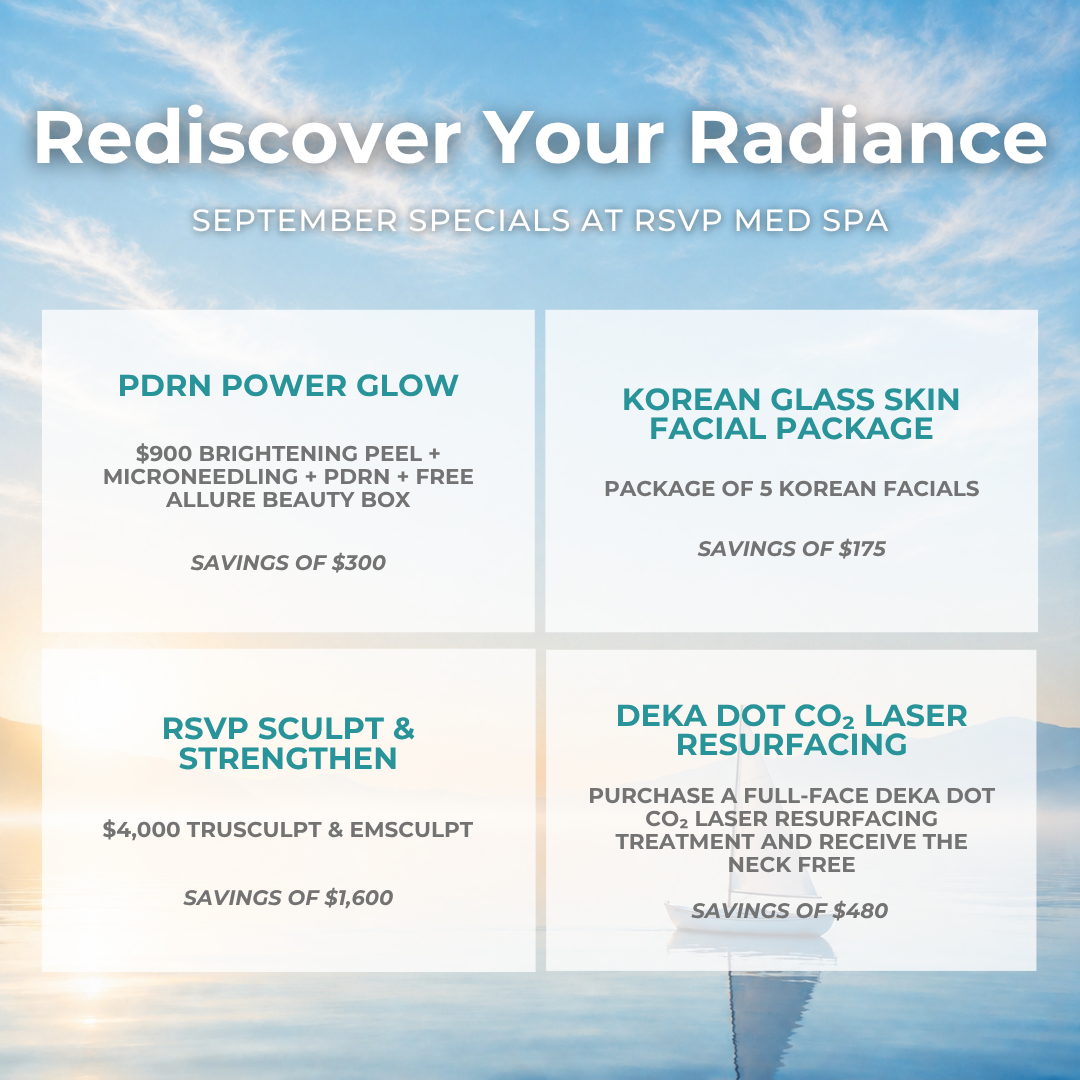
Cosmetic Eye Institute and RSVP Med Spa share the same Overland Park location and are both led by Dr. Selena Fu. This allows patients to receive physician-directed guidance on surgical eyelid procedures as well as complementary non-surgical aesthetic treatments when appropriate.
The treatment choice should begin with the concern, not simply the name of a procedure. Fine lines, hollowing, redness, pigmentation, texture changes, and true under-eye bags may each require a different approach.
Why Specialist Training Matters
The lower eyelids help protect the eyes, support blinking, distribute tears, and maintain ocular comfort. Because of this, lower eyelid surgery requires careful planning and specialized knowledge of eyelid anatomy.
An oculoplastic surgeon has focused training on surgery of the eyelids, orbit, tear drainage system, and surrounding facial structures. Dr. Fu’s background as a board-certified ophthalmologist and fellowship-trained oculoplastic surgeon allows Cosmetic Eye Institute to evaluate under-eye concerns from both a cosmetic and functional perspective.
During consultation, Dr. Fu may assess lower eyelid fat pads, skin quality, eyelid tone, eyelid support, facial structure, eye comfort, and patient goals before recommending treatment.
What to Know About Recovery
Recovery after lower eyelid surgery varies by person and procedure. Temporary swelling, bruising, tightness, mild irritation, and dryness may occur during healing. Patients may be advised to sleep with the head elevated, use cold compresses as directed, avoid strenuous activity during early recovery, and protect the eyes from sun and wind. Sutures, when used, are often removed within about one week.
Many patients return to light daily activities within 1 to 2 weeks, although swelling and final refinement continue over several months.
Questions to Ask During Consultation
Before choosing lower eyelid surgery, it helps to understand what is causing the under-eye concern. Helpful questions include:
- Are my under-eye bags caused by fat, skin, hollowing, pigmentation, or a combination?
- Would lower blepharoplasty or laser treatment be more appropriate?
- Would fat be removed or repositioned?
- Where would the incision be placed?
- Is eyelid support a concern in my case?
- What recovery should I expect?
- What result is realistic for my anatomy?
Clear answers help patients compare surgical and non-surgical options with more confidence.
Schedule a Lower Eyelid Surgery Consultation Near Leawood
Under-eye bags can come from more than tiredness. Changes in skin, fat, eyelid support, and facial structure may all affect how the lower eyelids look. Cosmetic Eye Institute serves patients from Leawood, Overland Park, Kansas City, Olathe, Prairie Village, Shawnee, Lenexa, Mission Hills, Parkville, and nearby communities who are considering lower eyelid surgery in Leawood or eyelid laser treatment in Overland Park.
Schedule a consultation with Dr. Selena Fu at Cosmetic Eye Institute today to learn whether lower eyelid surgery, eyelid laser treatment, or another under-eye rejuvenation option may be right for your anatomy and goals.
Frequently Asked Questions
- Can lower eyelid surgery help with both bags and loose skin?
Yes. Lower blepharoplasty may help reduce under-eye bags, improve puffiness, and smooth loose lower eyelid skin when these concerns are related to structural changes.
- How are under-eye bags different from hollowing?
Under-eye bags create fullness or puffiness beneath the eyes. Hollowing creates a sunken area or shadow. Both can make the eyes look tired, but they may require different treatments.
- When is eyelid laser treatment a better option?
Eyelid laser treatment may be better when the main concern is fine lines, crepey skin, sun damage, pigmentation, or uneven texture rather than prominent fat pads or significant loose skin.
- Can non-surgical treatments help if I am not ready for surgery?
Yes. Some concerns may improve with laser resurfacing, RF microneedling, fillers, IPL, chemical peels, skin boosters, or medical-grade skincare. The best option depends on the cause of the concern.
- How long does recovery take after lower eyelid surgery?
Many patients return to light daily activities within 1 to 2 weeks, although swelling and final refinement continue over several months. Recovery varies based on the procedure and individual healing.
- Why choose Cosmetic Eye Institute for lower eyelid surgery?
Cosmetic Eye Institute focuses on eyelid and eye-area procedures. Dr. Selena Fu is a board-certified ophthalmologist and fellowship-trained oculoplastic surgeon with specialized training in eyelid anatomy, eye function, and lower eyelid surgery.
Ready to Understand Your Under-Eye Treatment Options?
A smoother, more rested under-eye appearance starts with identifying the true cause of the concern.
Call Cosmetic Eye Institute at 913-387-1104 today or request a consultation online to schedule your personalized lower eyelid evaluation with Dr. Selena Fu.